Keeping your cooling system performing reliably in Port Chester requires more than reactive service calls. The seasonal swings and coastal humidity can accelerate https://ac-problem-solvers-for-local-residents-homeowner-s-guide.almoheet-travel.com/hvac-preventive-maintenance-checklist-port-chester-summer-ac-readiness wear and create conditions that trigger common Port Chester home HVAC issues, from AC not cooling to thermostat issues and electrical AC problems. A focused, annual maintenance routine is your best defense against mid-summer breakdowns, mounting energy bills, and premature system failure. Here’s a professional, practical guide to the must-dos you should schedule each year—and why they matter.
Regularly replace or wash air filters
- Why it matters: Dirty filters are the root of many problems: weak airflow AC, frozen AC coils, and AC not cooling efficiently. Restricted airflow forces the blower to work harder, raising energy use and shortening equipment life. What to do: Check filters monthly during peak summer and replace every 1–3 months, or clean reusable filters per manufacturer guidelines. If you have pets, allergies, or are doing home renovations, expect to replace more frequently.
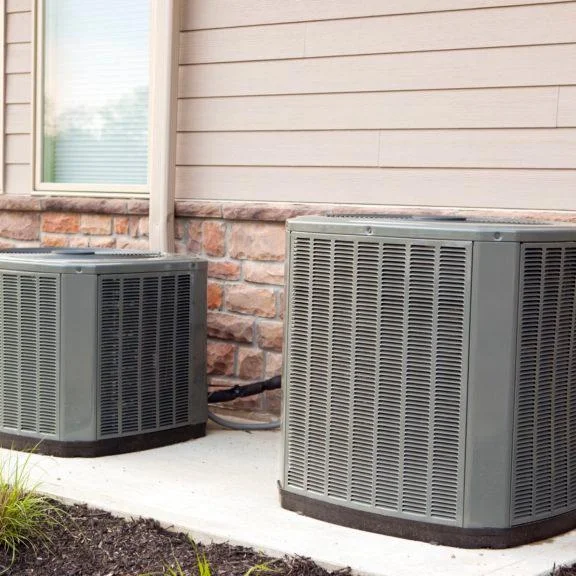
Clean the outdoor condenser unit and surrounding area
- Why it matters: Dust, leaves, and grass clippings clog the fins, causing poor heat exchange and resulting in longer run times, noisy air conditioner operation, and eventual AC not cooling. What to do: With power off, gently hose down the coils from the outside inward. Keep at least 2 feet of clearance around the unit. Straighten bent fins with a fin comb. Avoid pressure washers—they can damage fins.
Inspect and clear the condensate drain system
- Why it matters: A clogged AC drain line is a top cause of an air conditioner leaking water inside the house. Left unchecked, it can lead to ceiling stains, mold, and system shutdowns. What to do: Flush the drain line with a 50/50 mix of white vinegar and water or use an HVAC-safe drain cleaner. Vacuum the exterior drain line with a wet/dry vac to remove sludge. Confirm the condensate pump (if present) runs and the float switch isn’t stuck.
Clean evaporator and condenser coils
- Why it matters: Dirty coils reduce heat transfer, leading to frozen AC coils, poor efficiency, and refrigerant stress. Frozen coils often present as weak airflow AC, warm air at the registers, or an AC not cooling at all. What to do: Have a professional clean coils annually using non-acidic coil cleaners. Homeowners can gently dust accessible coil surfaces, but deeper cleaning and reassembly should be left to a licensed tech.
Check and calibrate the thermostat
- Why it matters: Thermostat issues can cause short cycling, rooms that never reach setpoint, and unnecessary runtime. Misplacement in direct sunlight or near heat sources skews readings. What to do: Verify your thermostat’s location, update firmware on smart models, replace batteries yearly, and confirm temperature accuracy with a separate thermometer. Consider upgrading to a smart thermostat with adaptive scheduling for Port Chester’s seasonal shifts.
Test electrical components and connections
- Why it matters: Electrical AC problems—loose connections, failing capacitors, and pitted contactors—are common causes of sudden no-cool calls and noisy air conditioner startups. They also pose safety risks. What to do: During annual service, have a technician tighten connections, test capacitors, inspect relays and contactors, measure voltage and amperage, and review the breaker panel. If you experience frequent breaker trips, stop using the unit and call a pro.
Evaluate refrigerant levels and check for leaks
- Why it matters: Refrigerant leaks lead to AC not cooling, frozen AC coils, and compressor damage. Low charge reduces efficiency and increases energy costs. Some refrigerants also carry environmental restrictions. What to do: A licensed HVAC technician should verify superheat/subcooling, inspect brazed joints and service valves, and use leak detection equipment. If a leak is found, it must be repaired before recharging. Consider discussing system age and the cost-benefit of repairs vs. replacement.
Balance and clean ductwork
- Why it matters: Leaky or dirty ducts contribute to weak airflow AC, uneven cooling, dust, and higher utility bills. In older Port Chester homes, duct sealing can deliver notable comfort improvements. What to do: Have ducts inspected for leaks, kinks, and disconnected runs. Request a static pressure test and consider professional duct cleaning if there’s visible dust buildup, debris, or evidence of mold.
Lubricate and inspect blower assemblies
- Why it matters: A poorly maintained blower reduces airflow, contributes to noisy air conditioner operation, and strains the motor. Bearings and belts degrade over time. What to do: Technicians should check and lubricate bearings (where applicable), align the blower wheel, inspect belts for wear, and verify proper blower speed settings.
Replace or clean return grills and ensure adequate returns

- Why it matters: Insufficient return air leads to pressure imbalances, weak airflow AC, and reduced cooling capacity. What to do: Keep returns unblocked by furniture or drapes. Clean grills and consider adding returns during renovations to improve system balance.
Seal the building envelope and manage humidity
- Why it matters: In humid summers, infiltration can overwhelm your system, leading to AC not cooling effectively, clammy conditions, and mold risk. High indoor humidity can also promote a clogged AC drain line due to continuous condensate. What to do: Caulk gaps, weatherstrip doors and windows, and use bath and kitchen exhaust fans. A whole-home dehumidifier integrated with your HVAC can stabilize indoor moisture and reduce load on the AC.
Schedule a spring tune-up and a mid-season check
- Why it matters: Early detection prevents peak-season breakdowns. A mid-summer check catches developing issues like refrigerant leaks or electrical AC problems that arise under heavy use. What to do: Book a professional tune-up in late spring and consider a brief mid-July inspection, especially after heat waves.
Know the warning signs that need prompt attention
- AC not cooling despite running Air conditioner leaking water indoors or at the furnace Frozen AC coils or visible ice on refrigerant lines Thermostat issues such as erratic readings or frequent short cycling Weak airflow AC at some or all vents Hissing or bubbling from refrigerant leaks Noisy air conditioner: grinding, screeching, buzzing, or rattling Repeatedly clogged AC drain line or musty odors near the air handler Electrical AC problems: tripped breakers, burnt smells, or intermittent power
Create a maintenance record
- Why it matters: A simple log of filter changes, service dates, refrigerant readings, and parts replaced helps your technician diagnose patterns and protect warranties. What to do: Keep receipts and note observations like unusual noises or odors. Share this record during service visits.
Consider system age and plan proactively
- Why it matters: Most central AC systems last 12–15 years with proper maintenance. As performance declines or repair frequency increases, an energy-efficient replacement can reduce bills, noise, and the likelihood of recurring Port Chester home HVAC issues. What to do: If your unit is over 10 years old and you’re facing a major repair—compressor, coil replacement, or frequent refrigerant leaks—ask for a repair-versus-replace analysis that includes annual operating costs.
Safety first: when to stop and call a professional
- If you see ice on the lines, turn the system off and let it thaw before running again. If breakers trip or you smell burning, cut power at the disconnect and call immediately. If you suspect refrigerant leaks, avoid touching oily residue and ventilate the area. Avoid opening sealed electrical panels or pressurized refrigerant circuits without proper training.
By following these annual maintenance must-dos, Port Chester homeowners can prevent many of the most common cooling problems—AC not cooling, air conditioner leaking water, frozen AC coils, thermostat issues, weak airflow AC, refrigerant leaks, noisy air conditioner symptoms, clogged AC drain line, and electrical AC problems—before they spiral into costly downtime. A proactive plan beats an emergency call every time, especially during the hottest weeks on the Sound.
Frequently asked questions
Q: How often should I change my AC filter in Port Chester? A: Check monthly during summer and replace every 1–3 months. Households with pets, allergy concerns, or ongoing renovations may need monthly changes.
Q: What should I do if I notice ice on my AC lines? A: Turn the system off, allow it to thaw completely, replace or clean the filter, and check for blocked vents. If icing returns, call a professional to evaluate airflow and refrigerant levels.

Q: Why is my air conditioner leaking water inside? A: Likely a clogged AC drain line or failed condensate pump. Shut the system off to prevent further damage, clear the line with a wet/dry vac and vinegar flush, and schedule service if the issue persists.
Q: Can low refrigerant cause weak airflow AC? A: Indirectly. Low refrigerant can cause the evaporator to freeze, which restricts airflow. Once thawed, proper charging and leak repair are necessary to restore performance.
Q: When should I replace my AC instead of repairing it? A: Consider replacement if your system is 10–15 years old, uses outdated refrigerant, has recurring refrigerant leaks or electrical AC problems, or if repair costs exceed 30–40% of replacement value, especially with rising energy bills.